

Understanding Sports Broadcasting Fundamentals
What is Sports Broadcasting?
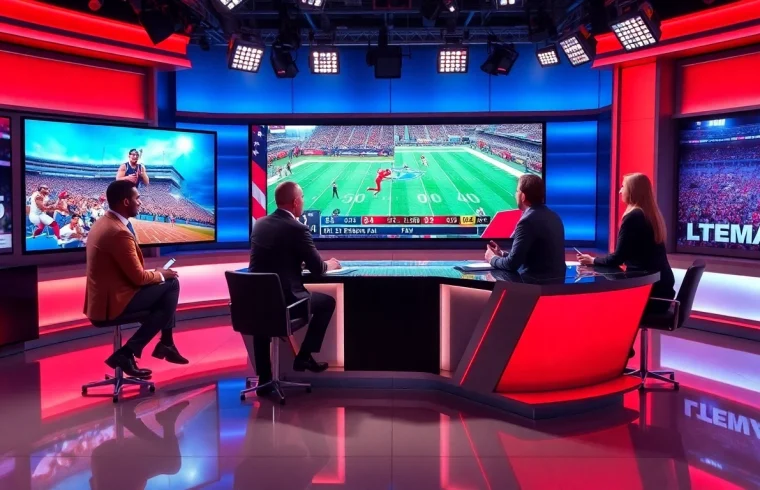
Sports broadcasting is the act of delivering live or recorded sports events via television, radio, or online platforms. It serves a vital role in connecting fans to the games they love, ensuring the athletes and the teams receive the recognition they rightly deserve. As a key player in the entertainment industry, the field of Sports Broadcasting encompasses a variety of facets, from providing real-time play-by-play commentary to engaging narratives that enhance the viewer experience. This sophisticated blend of journalism and entertainment has reshaped how we understand and consume sports.
The Evolution of Sports Broadcasting
The journey of sports broadcasting began in the early 20th century when radio broadcasts started to reshape the dissemination of sports-related news. It evolved dramatically through the introduction of television, introducing a visual element that captivated audiences worldwide. The 1980s saw cable networks expanding their coverage, allowing for specialized channels dedicated to gyms, professional leagues, and local teams.
With the rise of the internet and streaming technologies, sports broadcasting reached new heights in the 21st century. Live streaming, social media integration, and on-demand content have transformed how audiences engage with their favorite sports, allowing fans to have access anytime and anywhere.
Key Roles in Sports Broadcasting
Understanding who does what in sports broadcasting is crucial for anyone looking to break into the industry. The main roles typically include:
- Commentators: They provide live action commentary, offering analysis and engaging insights into the game.
- Producers: Responsible for the overall production, including planning and coordinating live broadcasts.
- Camera Operators: Capture live footage, ensuring the audience is taken on an immersive journey through the event.
- Editors: Work on post-production content, delivering exciting highlights and ensuring that the broadcast meets the necessary standards.
These roles, among many others, collaborate seamlessly, allowing for a polished and professional delivery of sports content on various platforms.
The Technology Behind Sports Broadcasting
Equipment Essentials for Sports Broadcasts
The backbone of effective sports broadcasting is high-quality equipment. Camera technology has evolved from traditional bulky units to compact, high-definition cameras which offer multiple angles and perspectives. Live sound equipment, like wireless microphones and soundboards, are crucial in capturing the atmosphere of the event, as well as the interviews that take place during breaks or post-game.
Other essential equipment includes:
- Switchers: These allow the producer to seamlessly transition between various cameras and feeds.
- Graphics Generators: These add layers of visuals to the broadcast, such as score updates and player statistics.
- Streaming Devices: Essential for online broadcasting, ensuring seamless transmission of live content.
Live Streaming Technologies
Live streaming has revolutionized sports broadcasting, allowing fans worldwide to connect with their sporting events in real-time. Technologies like Adaptive Bitrate Streaming (ABR) have enhanced the viewing experience, adjusting the quality of the broadcast to match the user’s internet speed. Moreover, platforms such as YouTube Live, Twitch, and dedicated sports streaming services have made accessibility to sports content more straightforward than ever.
Post-Production Techniques
Post-production is where the creativity of sports broadcasting shines. Techniques such as editing, graphics insertion, and sound design culminate in a seamless viewer experience. Editors sift through hours of footage to extract the most exhilarating moments, ensuring fan engagement remains high. Graphics can include key statistics, player backgrounds, and sponsorship messages, enhancing both viewer understanding and commercial opportunities.
Strategies for Effective Sports Broadcasting
Creating Compelling Sports Content
To capture and maintain audience attention, sports broadcasters must focus on compelling content. Storytelling is foundational; weaving narratives about teams, players, and critical games creates a connection with the viewer. Strategies include profiling athletes, analyzing previous performances, and exploring rivalries or sudden changes in team dynamics.
Consistency in content output, covering pre-game analyses, in-game reporting, and post-game breakdowns also keeps audiences engaged and informed.
Engaging with Viewers via Social Media
Social media engagement is essential in the modern sports broadcasting landscape. Platforms such as Twitter, Instagram, and TikTok allow broadcasters to foster community interaction. Posting highlights, behind-the-scenes content, and interactive polls can spark conversation and increase viewer loyalty. Additionally, leveraging hashtags can widen reach and elevate discussions around the broadcast.
Analyzing Audience Metrics
Understanding audience metrics is critical for refining sports broadcasting strategies. Analyzing data such as viewership numbers, engagement statistics, and demographic information helps broadcasters tailor their content to better suit their audience’s preferences. Tools like Google Analytics and social media insights can provide invaluable feedback, guiding future broadcasts and marketing efforts.
Challenges and Solutions in Sports Broadcasting
Addressing Live Coverage Issues
Live broadcasts are not without their challenges, including technical difficulties like signal loss and equipment failure. Preparing for these potential problems through comprehensive pre-event checks and having backup systems in place can mitigate these issues significantly. Additionally, maintaining open channels of communication amongst the broadcast team is critical when unexpected challenges arise.
Managing Viewer Expectations
In the era of immediate access, managing viewer expectations is crucial. With fans accustomed to high-quality content 24/7, ensuring timely updates and transparent communication regarding game changes or delays is essential. Utilizing various platforms to keep fans informed helps cultivate trust and loyalty.
Legal and Ethical Considerations
Sports broadcasting operates within a framework of legal and ethical guidelines, including copyright laws, broadcasting rights, and ethical reporting standards. Understanding and respecting these regulations is crucial to avoid potential pitfalls and ensure compliance. Engaging legal experts during the planning and broadcasting phases can safeguard against infringements and public relations issues.
The Future of Sports Broadcasting
Emerging Trends in Sports Broadcasting
The future of sports broadcasting looks bright, with innovative trends shaping the landscape. Augmented reality (AR) and virtual reality (VR) are increasingly becoming integral. These technologies allow fans to experience games from unique viewpoints, blending the excitement of being at an event with the accessibility of watching at home.
The Impact of Virtual Reality and AI
As technology advances, the role of artificial intelligence (AI) becomes increasingly prominent in sports broadcasting. AI can analyze vast amounts of data to provide insights into player performances and game dynamics, enhancing commentary and reporting. Moreover, virtual reality experiences offer simulations that immerse fans in the action like never before, creating an extraordinary spectator experience.
What Lies Ahead for Sports Broadcasting?
The evolution of sports broadcasting continues to unfold. From personalized content delivery methods to advances in data analytics, the industry is positioned for growth. The task will be to stay adaptable, ensuring that broadcasters meet fan expectations and remain ahead of technological advancements. As interactive and immersive content becomes more prevalent, the traditional model of broadcasting will continue to shift, presenting exciting opportunities for innovation.
Frequently Asked Questions
What does a sports broadcaster do?
A sports broadcaster delivers commentary and analysis during sports events, providing insights to enhance viewer understanding and enjoyment.
How has technology influenced sports broadcasting?
Technology has revolutionized sports broadcasting through live streaming, high-definition cameras, and social media engagement, enhancing viewer experience massively.
What skills are important for a sports broadcaster?
Key skills include strong communication, analytical abilities, the ability to work under pressure, and a deep knowledge of sports and storytelling techniques.
How can broadcasters manage viewer expectations?
Broadcasters can manage expectations through transparent communication regarding schedule changes and providing timely updates via various channels.
What future trends should I watch in sports broadcasting?
Emerging trends include VR experiences, AI analytics for enhanced commentary, and personalized content delivery, reshaping how fans engage with sports.
